Anthropic released Claude Fable 5.2 and Claude Mythos 5.2 on 9 November 2026. They replace Fable 5.1 and Mythos 5.1 as Anthropic's most capable models, cost 20% less, and run up to 30% faster. Here is what changed, in plain terms.
Fable 5.2 vs Mythos 5.2: what's the difference?
They are the same underlying model. The difference is access and safeguards:
- Claude Fable 5.2 is available to everyone. It has extra safeguards that block most high-risk cybersecurity work (such as exploit development) and most research biology.
- Claude Mythos 5.2 has the same capabilities without those limits. It's only available to organizations verified through Anthropic's Cyber and Life Sciences Verification Programs, and to Enterprise customers through Claude Security.
If you're making games, apps or websites, Fable 5.2 is the one you'll use, and you won't notice the safeguards. Anthropic says Fable 5.2 blocks about 55% fewer requests than Fable 5.1 did.
Price
| Input | Output | Cache reads | Batch (in / out) | |
|---|---|---|---|---|
| Fable 5.2 / Mythos 5.2 | $8 / M tokens | $40 / M tokens | $0.20 / M | $4 / $20 |
| Fable 5.1 / Mythos 5.1 | $10 / M tokens | $50 / M tokens | $0.25 / M | $5 / $25 |
Fast mode costs $16 per million input tokens and $80 per million output tokens and generates up to 2.5 times faster. It's available in Claude Code, on the Claude Platform, on Claude Models on Google Cloud and in Microsoft Foundry.
On subscriptions, Fable 5.2 is included for up to 50% of weekly usage limits on Pro plans and standard Team seats, and eligible paid subscribers got one to three extra Fable usage resets in launch week.
Specs and API details
- Model IDs:
claude-fable-5-2andclaude-mythos-5-2 - Context window: 1 million tokens; max output: 128k tokens
- Thinking: adaptive thinking is always on; you control depth with the effort setting
- Effort levels:
low,medium,high,xhigh,max. The API default ishigh; the Claude apps and Claude Code default tomedium - Platforms: Claude API, Amazon Bedrock, Claude Platform on AWS, Google Cloud, Microsoft Foundry
If you're upgrading code from Fable 5.1, a few things can break: editing earlier turns of a conversation now invalidates thinking blocks on every account, the older computer_20251124 computer-use tool returns an error outside Bedrock, and the advisor tool needs a Fable 5.2 or Mythos 5.2 advisor. Anthropic's "What's new in Claude Fable 5.2" page lists the fixes.
Benchmarks
Anthropic's headline numbers (its own evaluations):
| Benchmark | Fable 5.2 | Fable 5.1 | Opus 5.5 |
|---|---|---|---|
| FrontierCode 2.0 | 49.1% (xhigh) | 32.4% | 45.5% |
| FrontierSWE v2 | 69.9% | 56.3% | 62.3% |
| OSWorld 2.1 | 89.3% | 83.5% | 87.2% |
| Humanity's Last Exam (with tools) | 74.2% | 65.6% | 67.7% |
| BenchCAD 2.1 | 83.5 | 44.4 | 65.3 |
Two details stand out. At high effort, Fable 5.2 scores about 45.3% on FrontierCode 2.0, level with Opus 5.5's best, at roughly half the cost per task. And it matches Opus 5.5's top score on Humanity's Last Exam at low effort for under a tenth of the cost.
What Anthropic says it can do
The launch post is full of long, ambitious runs:
- A team of Fable 5.2 agents migrated a production service from Python to Rust; it starts about 26 times faster.
- One engineer had it design a prototype operating system, coordinating over 1,000 subagents for eight days. It boots on a laptop.
- 1,000 Fable 5.2 agents finished formalizing Fermat's Last Theorem in Lean in 30 hours.
- It solved two open problems in black-hole physics, largely on its own.
- Anthropic says Claude now writes over 90% of the changes merged into its own core codebase, with human guidance.
Unity, quoted in the post, said it was better at "building higher-quality 3D scenes from scratch" and at "harder game-dev tasks".
What it means for making games
The model's strengths, long unattended work and building 3D scenes from scratch, are exactly what you need to make a whole game from one prompt. Launch week proved it:
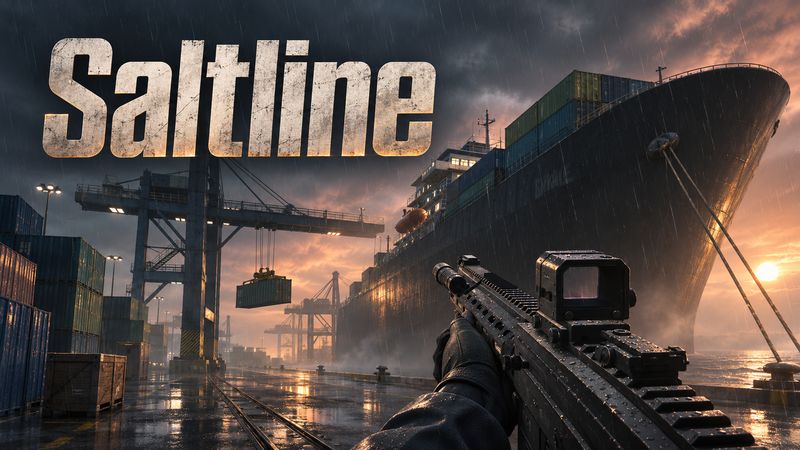
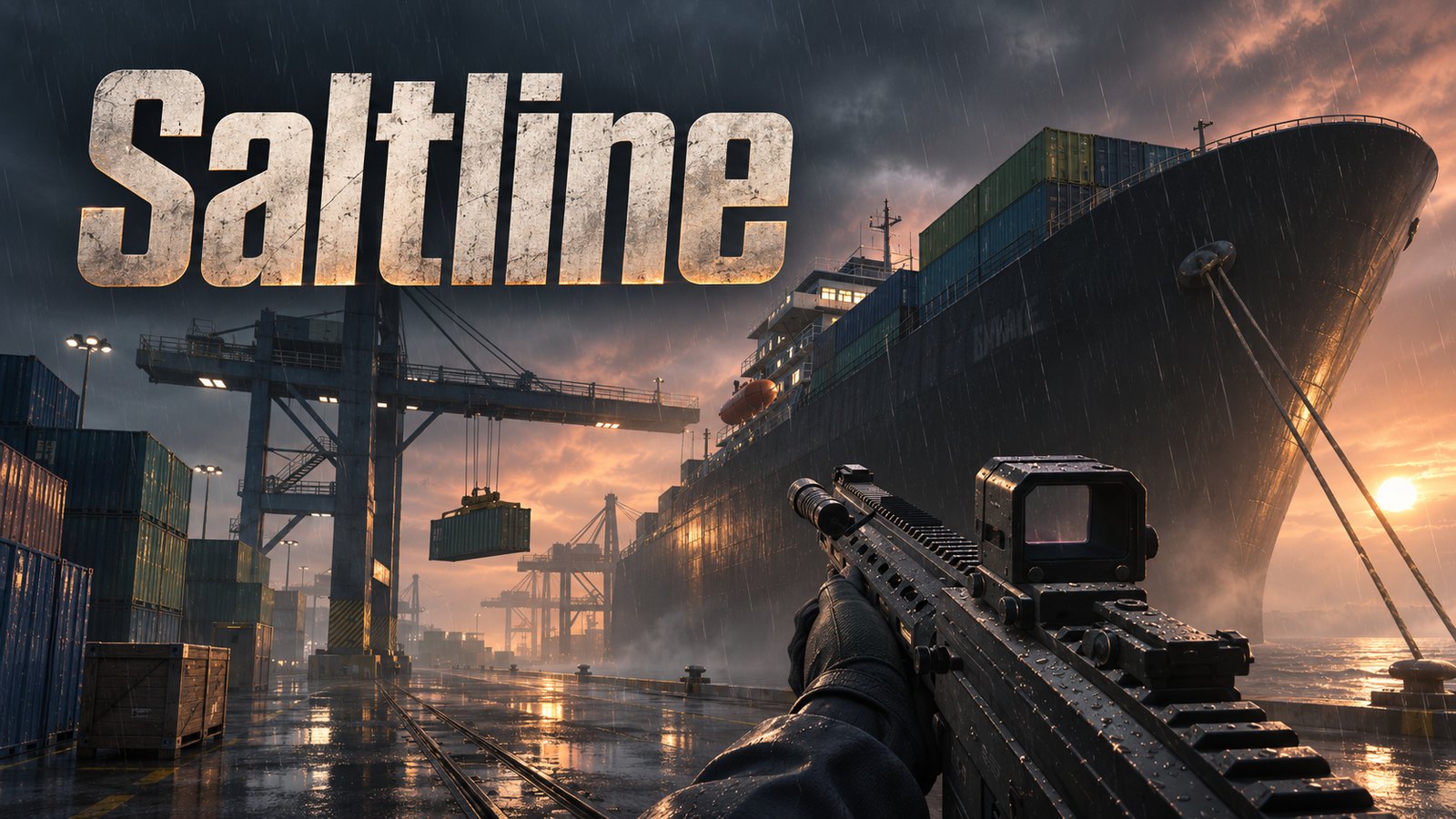
- Anthropic engineer Felix Rieseberg's Saltline, a browser FPS made from one prompt in about 8 hours for about $550, with every model, texture and sound generated in code.
- Kevin Ngo's What the Water Keeps, a Three.js boat ride through eight dreamlike worlds.
See all of them in our roundup of games made with Claude Fable 5.2, or start your own with our Three.js game guide. If you're weighing the cost, read Fable 5.2 vs Opus 5.5 for game development.
Should you switch?
Anthropic's own advice: start with Opus 5.5 for most coding and knowledge work, and move to Fable 5.2 for the most ambitious, open-ended jobs, or when Opus at higher effort isn't good enough. If you're already on Fable 5.1, switching is an easy call: Fable 5.2 is cheaper, faster and scores higher on every benchmark Anthropic published.